Whether you see it as a clash of sporting titans, or a must-see (and be seen at) social event, there’s no doubt that Wimbledon fortnight is one of the biggest sporting events in the world, often costing a small fortune to attend, and offering a much bigger fortune to the winners. But tennis itself has much more humble origins, which created two very different games.
The history of tennis can be traced all the way back to the ancient Greeks and Egyptians, but our modern game has its roots in 12th century France, when French monks played a game called ‘jeu de paume’ – or handball – shouting ‘tenez!’ (be ready!) before serving the ball. The game developed through various iterations over time, and by the 16th century it had been formalised as an indoor sport played inside large purpose-built courts. The need for such courts meant that playing tennis remained the exclusive pastime of the wealthy landed gentry, much loved by Royalty including our own Henry VIII, for the next three hundred years.
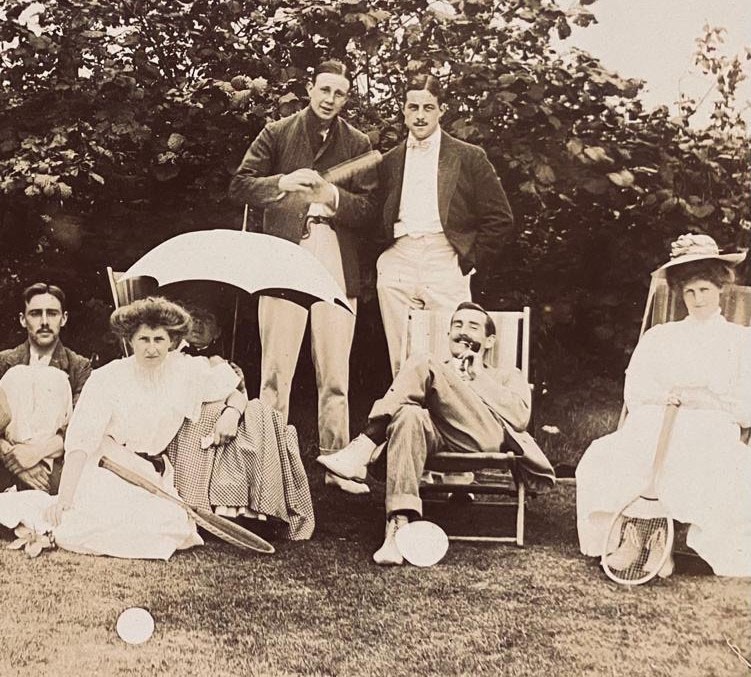
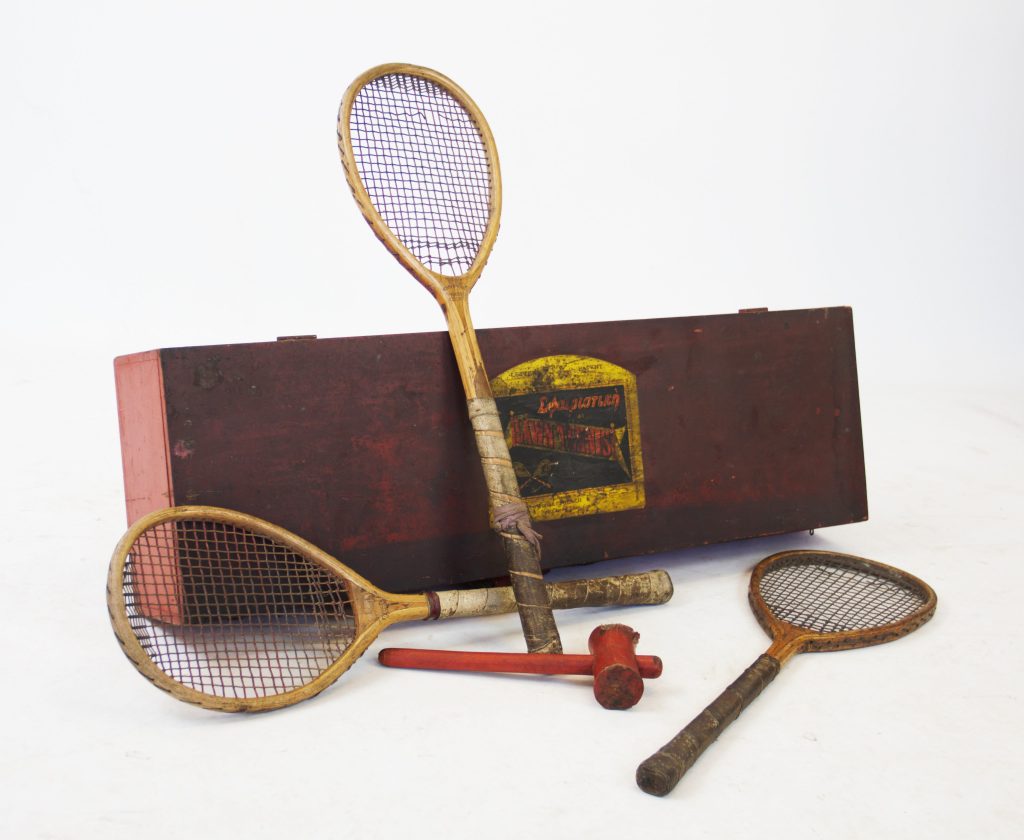
Fast forward to 1873, when Major Walter Clopton Wingfield invented Sphairistiké (from the Greek meaning ‘skill of playing at ball’), a simplified tennis-inspired game which was designed to be played on a good-sized lawn, making it much more accessible and almost instantly popular. Wingfield’s genius idea was to make and sell Sphairistiké sets, supplying everything needed to play the game in a box no bigger than a croquet set. His choice of name, however, proved much less of a success, and was quickly changed to Lawn Tennis, which people found much easier to pronounce.
To distinguish it from the upstart ‘lawn tennis’, the indoor court-based game became known as ‘Real Tennis’ and remained the preserve of the gentry, while lawn tennis captured the popular imagination in Britain and around the world. 1877 saw the founding of the All England Lawn Tennis and Croquet Club and the first Wimbledon Championship tournament, soon to be followed by the US open in 1881, the French Open in 1891, and the Australian Open in 1905. The era of the ‘Grand Slam’ had begun, and tennis – as it was now universally known – went from strength to strength, leaving Real Tennis to languish in its country house courts.
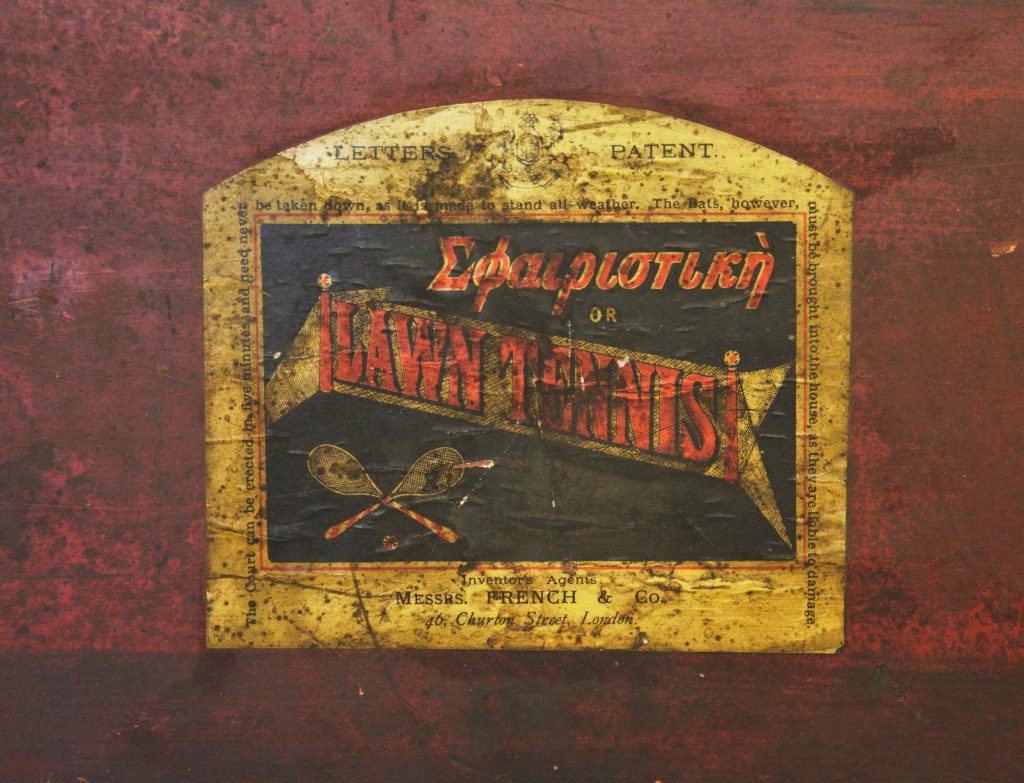
Major Wingfield’s Sphairistiké sets are now rare, and can be highly sought after at auction. A few years ago I sold an 1874 example made by French & Co, which included the original red mallet, net and three rackets in a box with correct labels, for £17,000 plus fees. The original rackets (racquets? – there’s a can of worms for another day!) made for the sets by Malings, also sell well on their own, with good examples making up to £2000 at auction.
Trevanion Auctioneers will hold their next auction on 15th and 16th July. If you have interesting pieces of tennis history, or anything else you’d like valued for auction, please call 01948 800202 to book a valuation appointment.