With the clocks changing on 29th March, Christina Trevanion looks at the history and impact of British Summer Time
‘Spring forward – fall back’. This mantra was drummed into me as a school girl learning about the twice-yearly change to the time in the UK, firstly to make sure that I knew that the clocks went forward by an hour in the spring, and back by an hour in the autumn, but mainly to ensure that in either event I had no excuse for being late (or – less likely – early) at any time of the year.
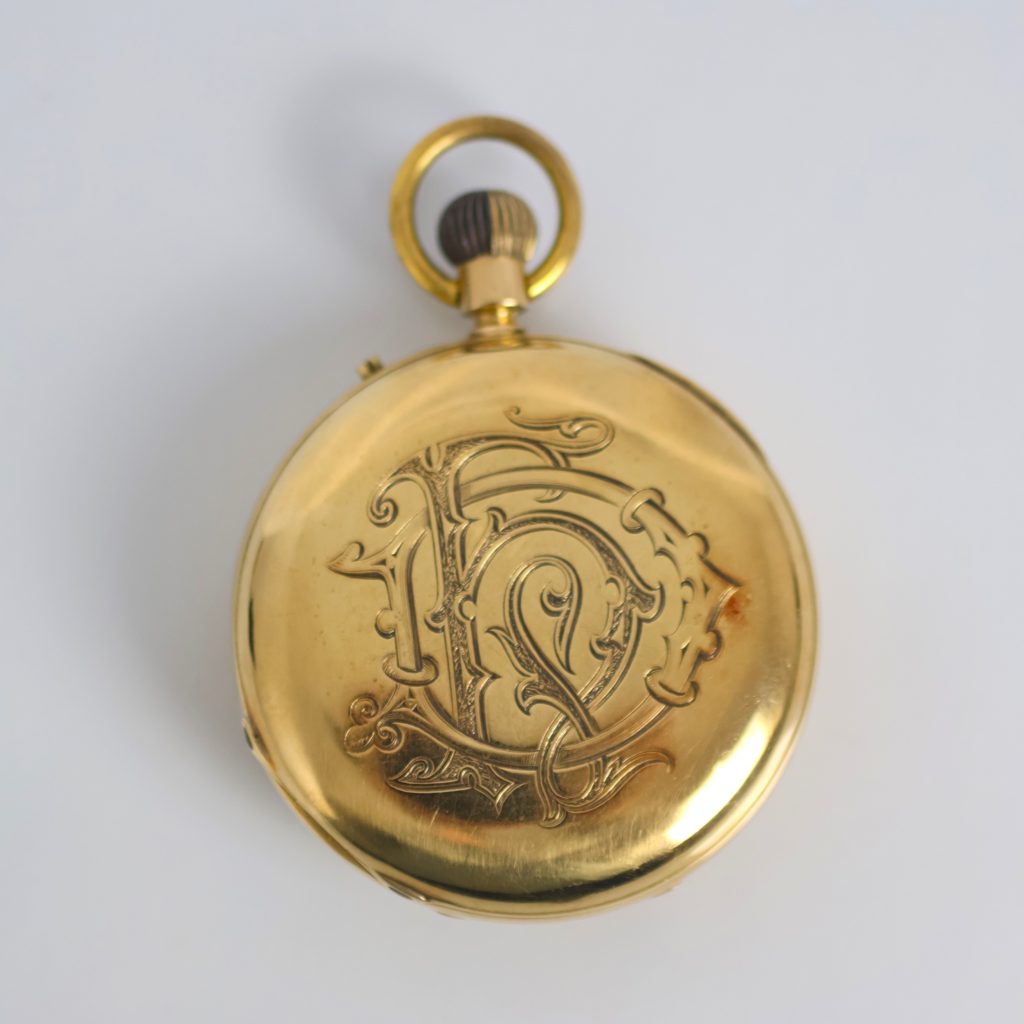
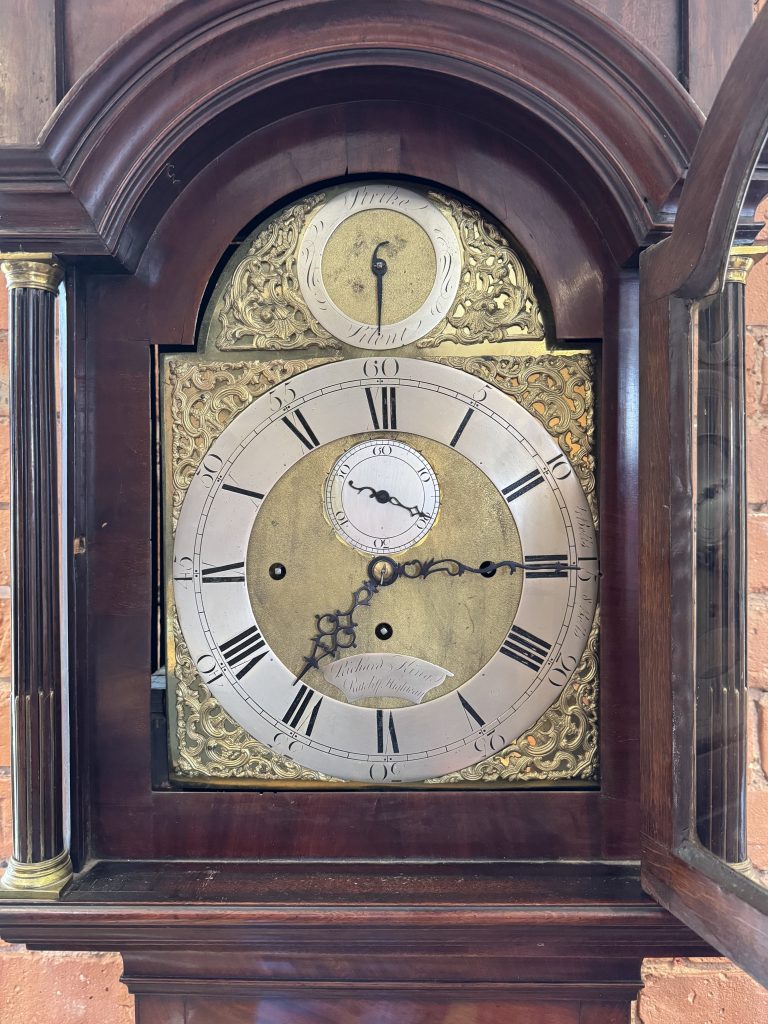
The notion of the time changing probably has less resonance in the modern world, where almost every clock (and most other devices) now change the time for you. Yet given that time itself is generally considered a constant measure of our lives, the fact that we change it at all is a pretty curious idea, so why do we do it? And what difference has it made to our world?
The American statesman and inventor Benjamin Franklin appears to have been the first person to suggest a plan to ‘save daylight’ by moving the clocks backwards or forwards depending on the time of year, but it was a British builder named William Willett who eventually got so cross about the loss of valuable working hours on spring and summer mornings that he published a pamphlet called ‘The Waste Of Daylight’ in 1907. Willett’s proposals were widely discussed, but it took World War I, and Germany’s decision to adopt daylight saving time in 1916, before the British government followed suit, introducing British Summer Time (or BST) on 21st May 1916.
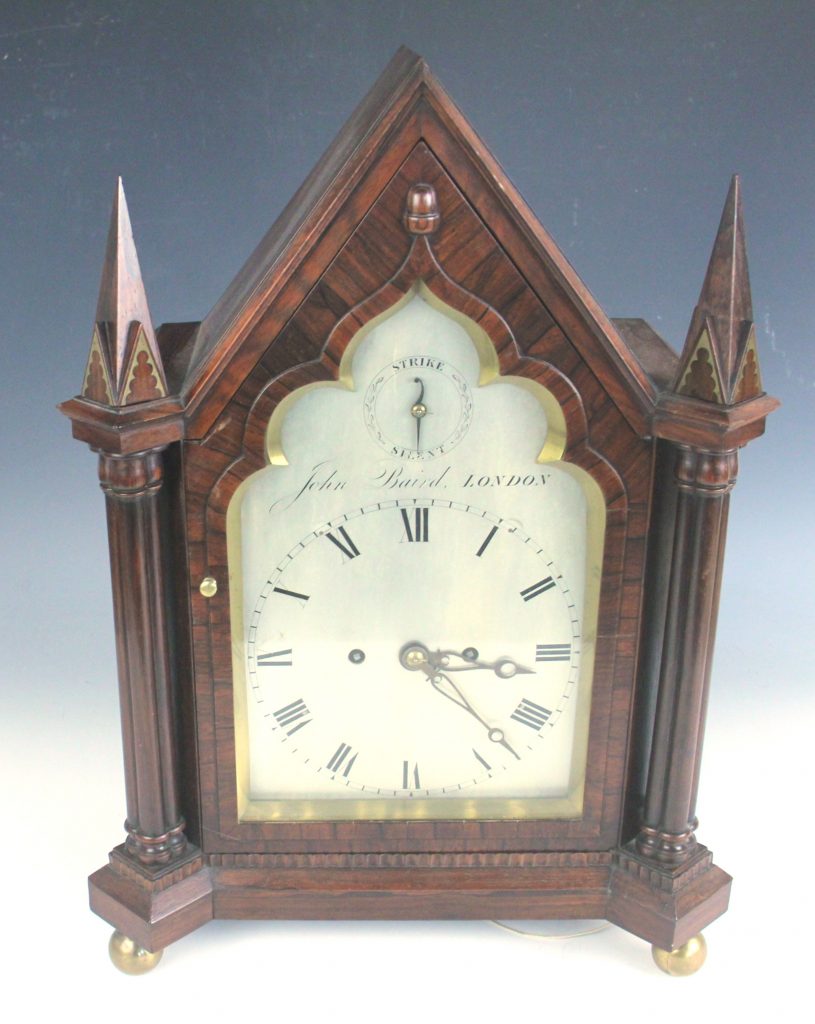
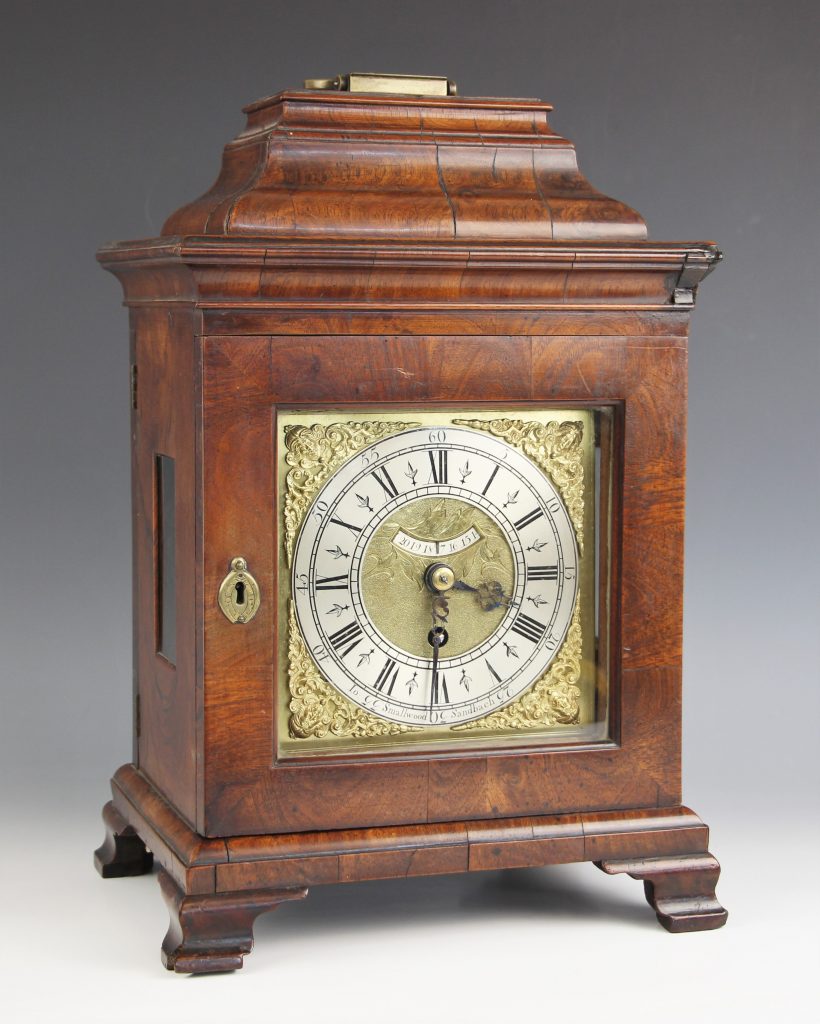
At a stroke, the twice yearly ritual of carefully resetting every clock and watch in the house became a tradition of British life, and one as much grumbled about as the weather. The benefits and downsides of BST have been vociferously discussed ever since, with no obvious consensus emerging, so the status quo has prevailed (although there has been the odd experiment with the timing and length of the adjustment over the years). Many traditionalists see no reason to mess around with good old Greenwich Mean Time (GMT) at all – Greenwich being after all the home of time, and GMT the international standard which allowed modern global communication to function. Others see BST as an energy saving alternative to GMT, offering us more daylight in the evenings when we actually have the time to use it.
It remains to be seen whether, in a digitized and global world, the twice-yearly switch between Greenwich Mean Time and British Summer Time can – or even should – survive. But for now it remains (for those of us who take pleasure in old clocks and watches at least) a handy signpost to mark the arrival of spring and the end of summer. And perhaps, given my preoccupation with time, it’s no coincidence that when I founded my auction house, I decided to base it in a charming and beautiful old clock factory.
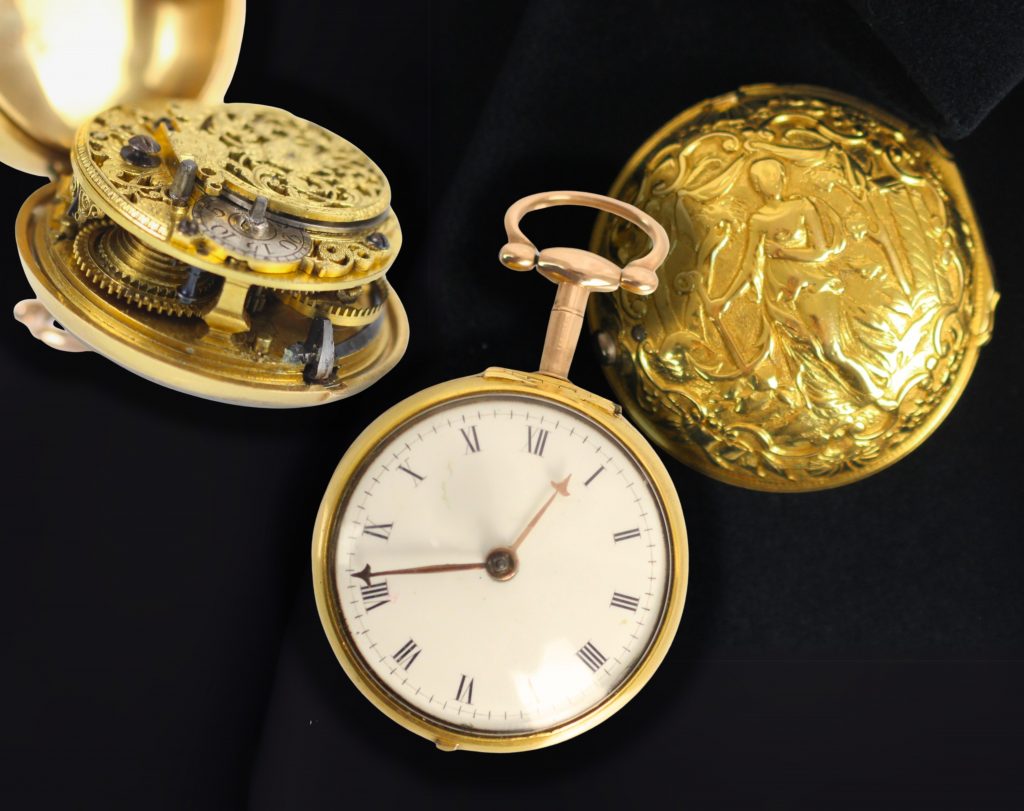
If you’re one of those who can’t resist the allure of a beautiful clock, watch or timepiece – and even look forward to adjusting them twice a year – you’ll find a great selection on offer at our regular fine art and antiques auctions. If, on the other hand, you’d like to find out what your timekeepers might be worth, you can book a valuation appointment with one of our experts and find out.

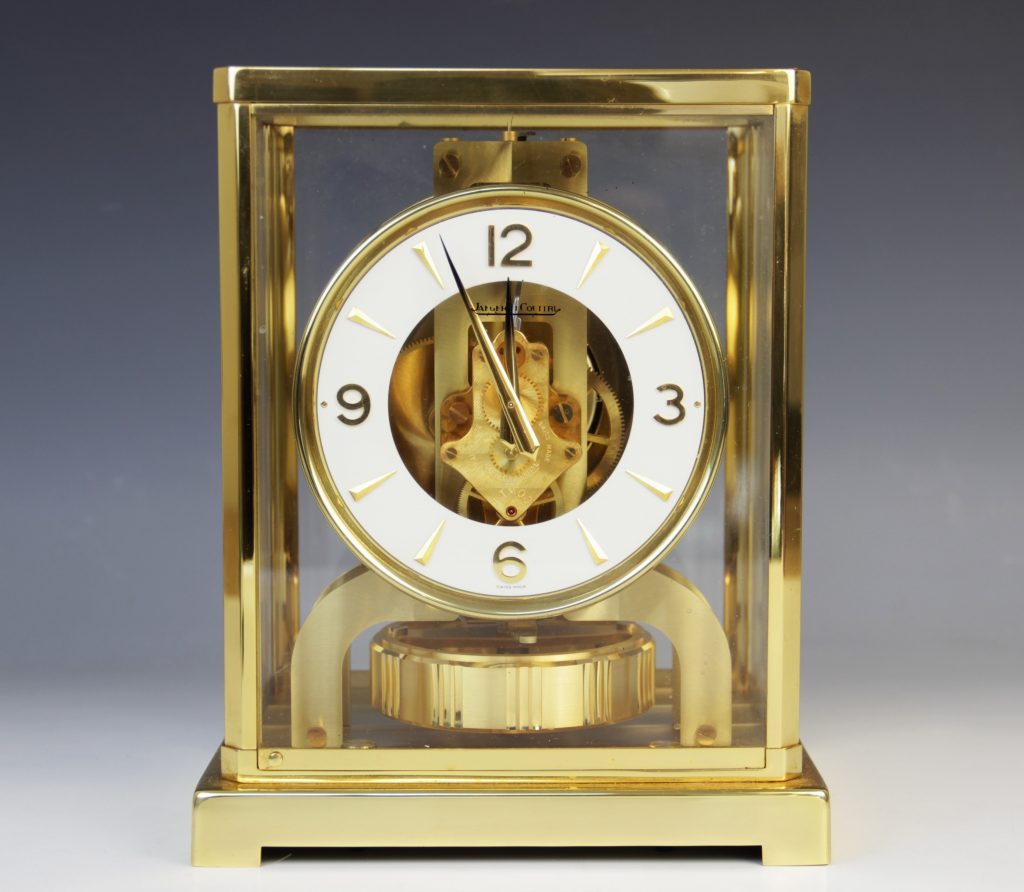
Our Next auction is Wednesday 29th April and Thursday 30th April
The consignment deadline for our April sale is Thursday 9th April, so if you’re about to start your spring cleaning this weekend and come across something interesting, there’s still time to call 01948 800 202 to book a free valuation appointment and see what it might be worth.