Christina Trevanion on the history of Valentines Day and its importance to the auction world.

Valentines Day is something of a fixture in the auction calendar, with salerooms across the country scheduling auctions with a big emphasis on jewelry and romantic gifts, just in time to sate the demand for tokens of true love on 14th February. But where did this tradition come from? And why do we give what we give to people who may have no idea we exist? The answer, as with many things, probably starts with the Romans.
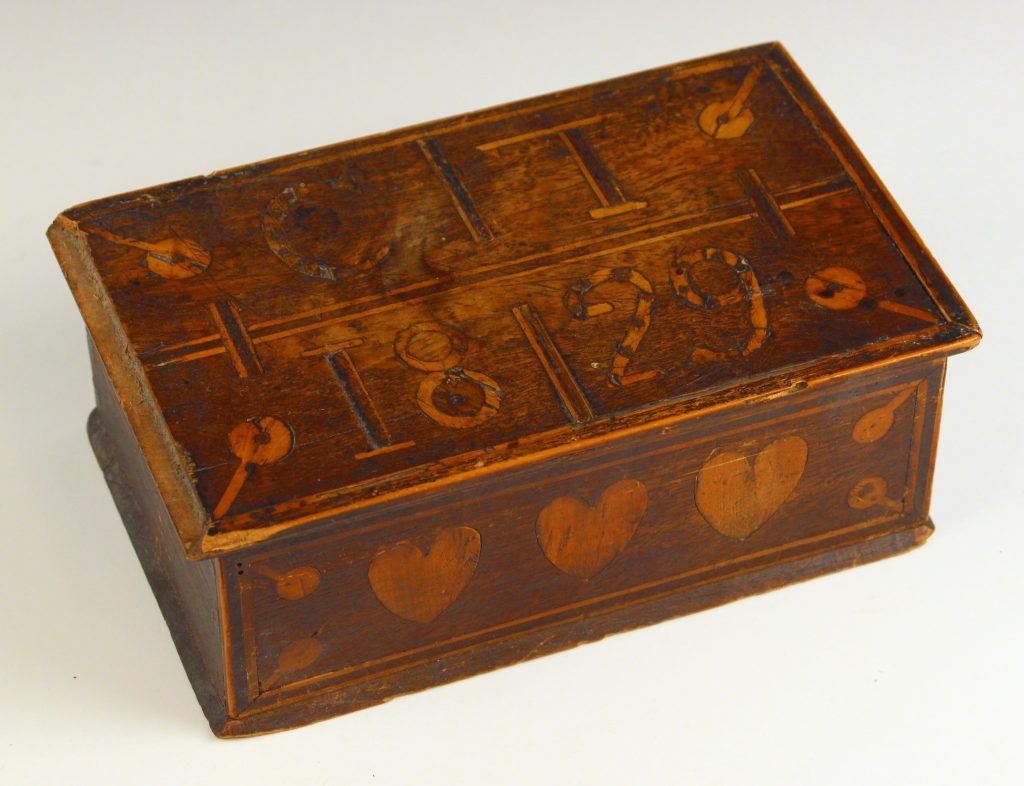
There are several Saint Valentines referenced in the history of Christianity, but the one most strongly linked to our modern concept is Valentine of Rome, a priest who is popularly believed to have performed weddings for Christian soldiers forbidden to marry by Emperor Claudius II. Discovered and condemned to death, Valentine is said to have restored the sight of his jailer’s blind daughter, and to have written to her on the eve of his execution, signing the letter ‘Your Valentine’. How much of this is true? It’s very hard to say, the story having been embellished over centuries, with each iteration becoming ever more romantic – Valentine’s letter, for example, doesn’t seem to have been part of the story before the 18th century.
It seems probable that stories like Valentine’s letter, and the embracing of the notion of romantic love in the 18th century, led to a fashion for sending love notes to those you have admired from afar on St Valentines Day. Handmade Valentine cards were sent throughout the 18th century, with the first printed card being published in 1797, but as ever it was the Victorians who took the concept and ran with it, helped in no small part by their new and relatively cheap postal service.


But where did the symbols of love exchanged on Valentines Day come from? Well the love heart dates to the mid thirteenth century, and first appears in Le roman de la poire or “Romance of the Pear” by a French writer called Thibaut, which contains an illuminated ‘S’ depicting a kneeling gentleman offering his ‘sweet heart’ to a lady. Perhaps unsurprisingly the heart he offers looks more like a pear, and it would be another century before our ‘heart-shaped’ heart made its first appearance, but the symbolism was established in the imaginations of those with access to books, and soon spread more widely.
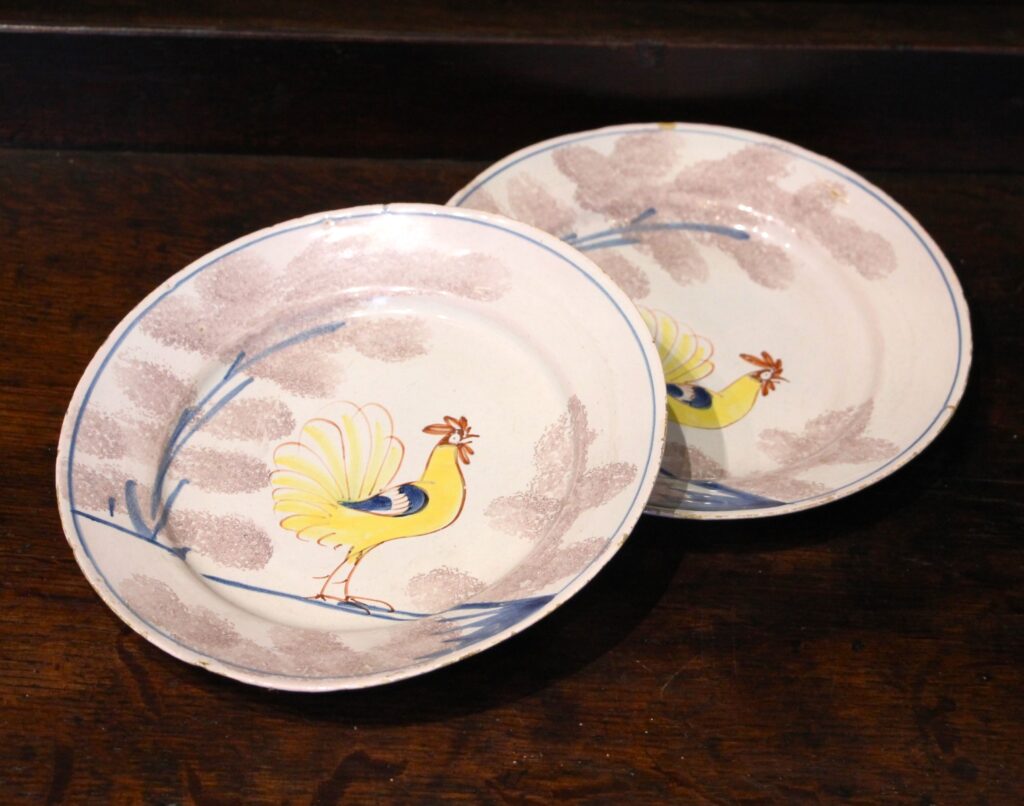
The notion of ‘lovebirds’ as a romantic ideal may have its roots with that great comic chronicler of the Middle Ages, Geoffrey Chaucer (of Canterbury Tales fame). He mentions ‘seynt Valentynes day’ in his poem ‘Parliament Of Fowls’ in 1382, which describes the meeting of a vast number of birds each in search of a mate.
And of course we’re back to the Romans for that classic symbol of Valentines Day – Cupid, god of desire, love and attraction, usually depicted as a mischievous winged infant armed with his bow and firing arrows of love, sometimes with malicious intent!
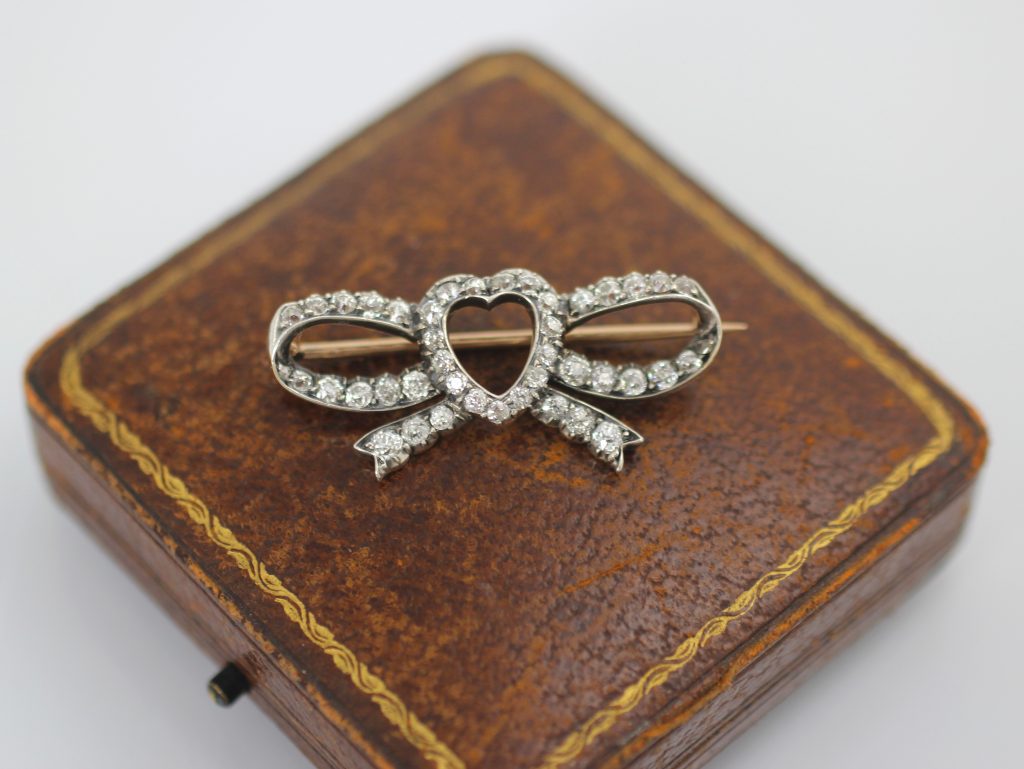
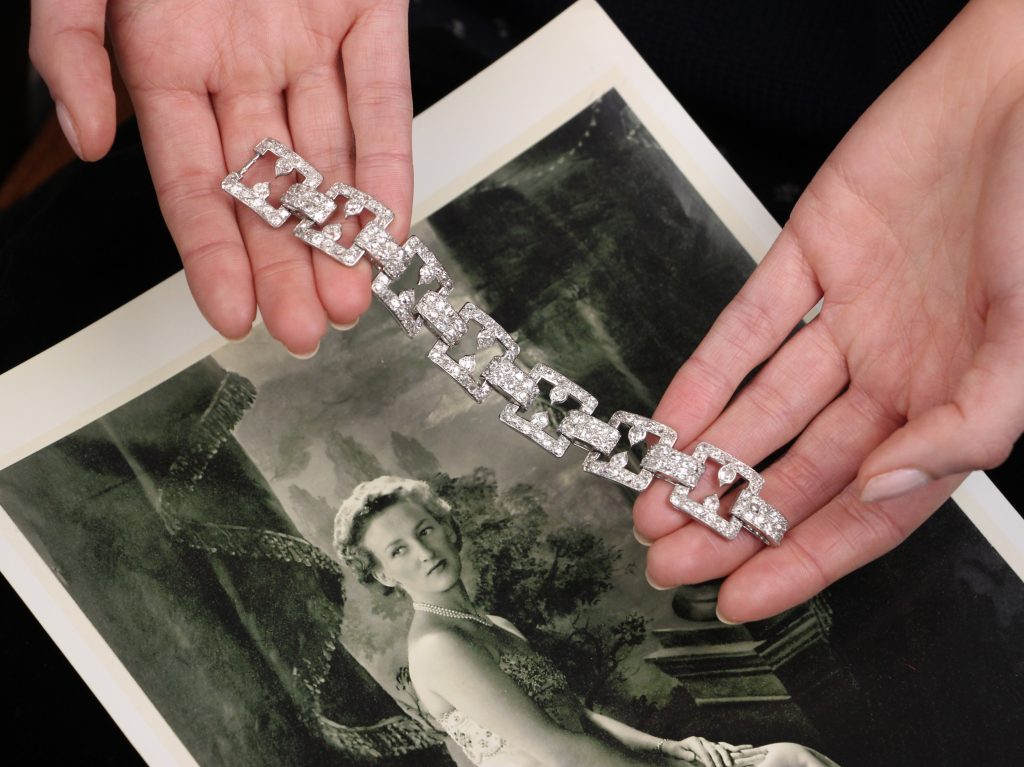
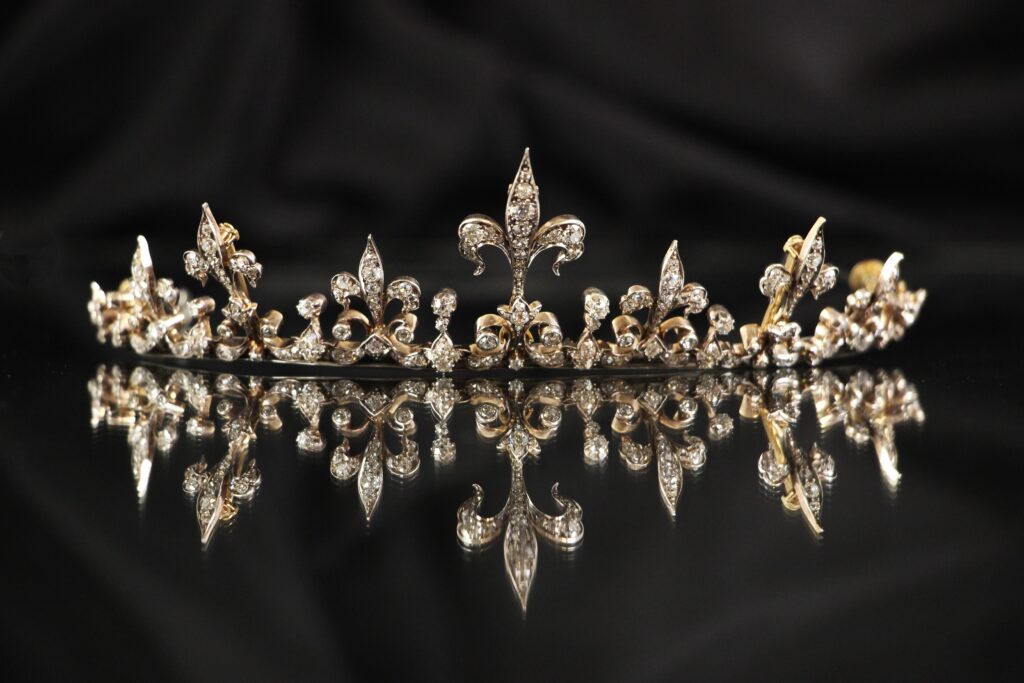
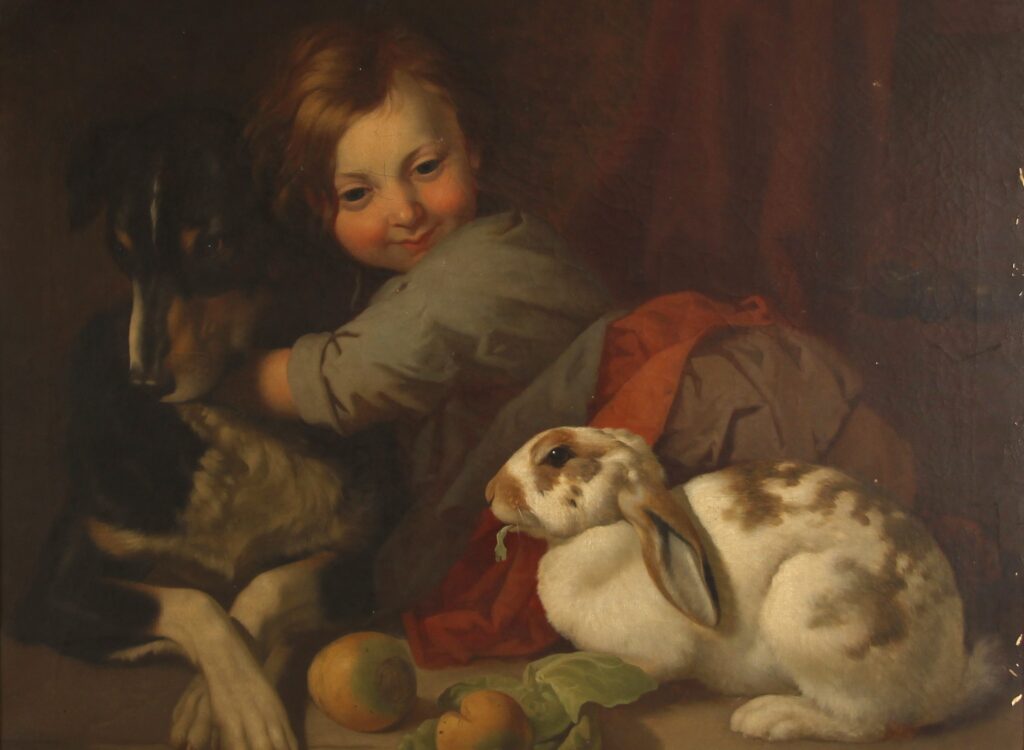
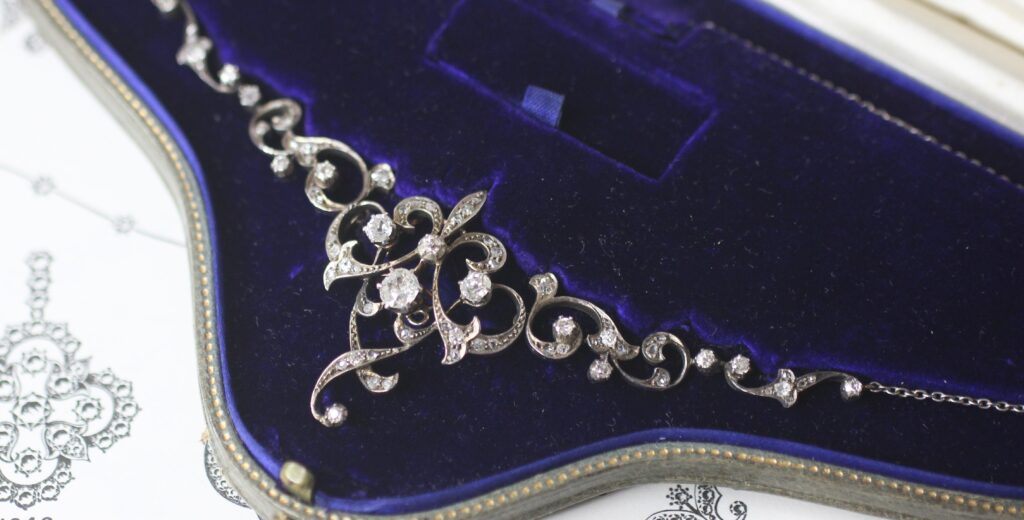
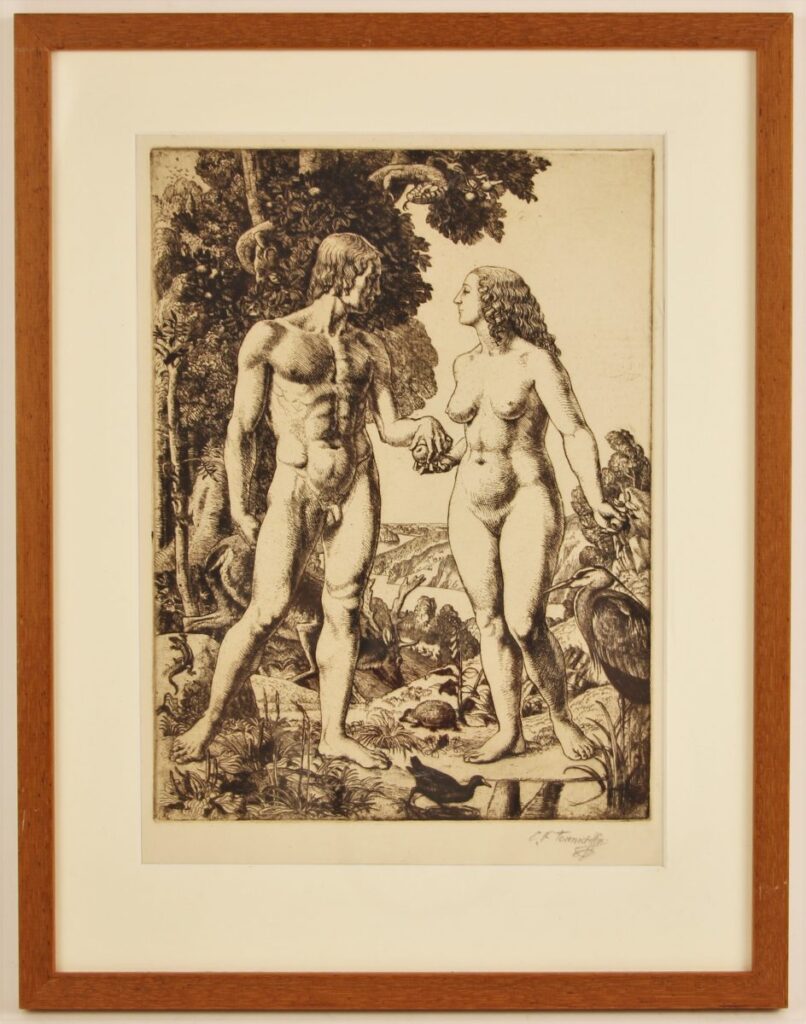
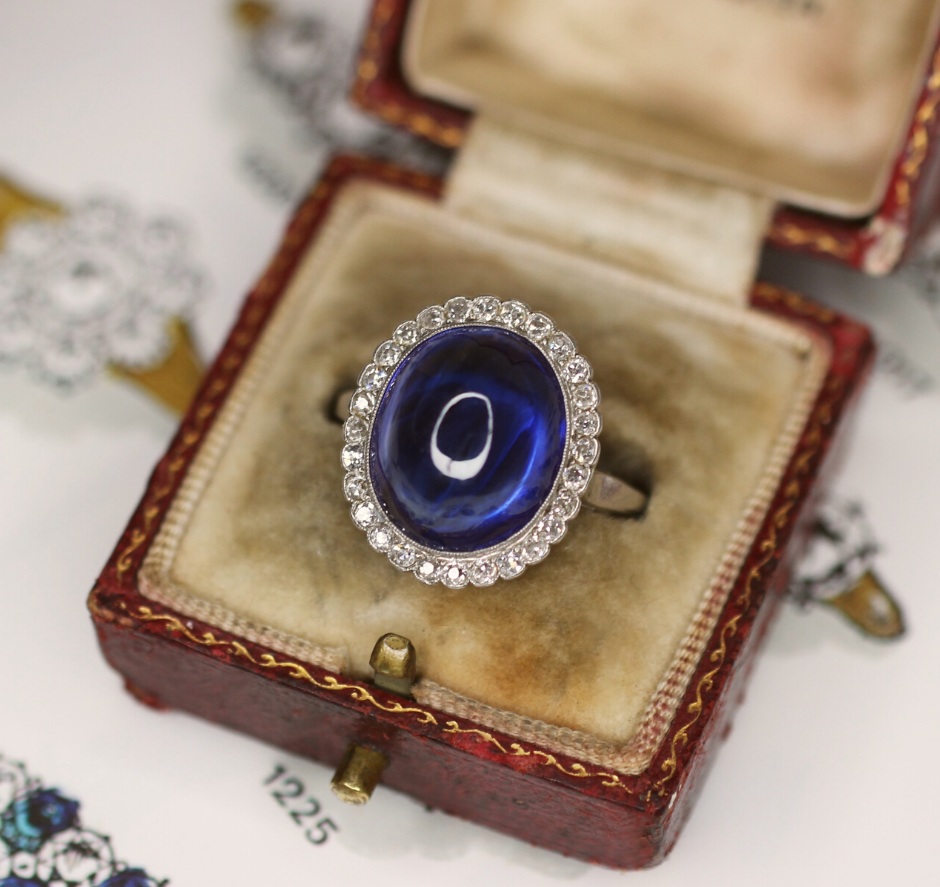
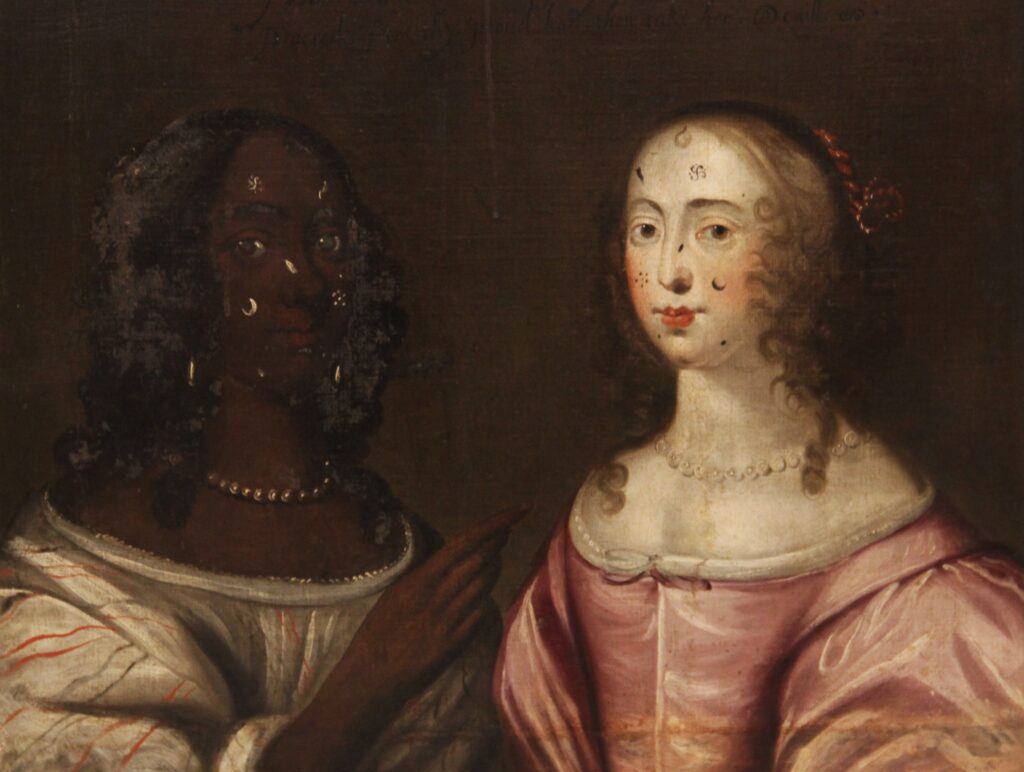
All of these symbols have been incorporated into love tokens for centuries, and the market for antique pieces featuring them continues to boom. Jewellery is of course a perennially popular option, but just as love can take many forms, so can symbols of it. Our Valentines auctions also feature sculpture, painting, books and even folk art reflecting the romance of the season, so there’s something for everyone!